Understand & Manage Pelvic Pain

Did you know that you can access pelvic pain physiotherapy in Lincoln? Pelvic pain can affect how you sit, walk, exercise, sleep, work and enjoy everyday life. It can also affect your confidence, relationships and general wellbeing. If you’re experiencing ongoing pelvic pain, discomfort around your vulva or pain that seems difficult to explain, you’re not alone.

I’m Lisa, a physiotherapist at InLine Therapies in Nettleham, near Lincoln. I provide one to one women’s pelvic health physiotherapy, helping women understand their symptoms and explore ways to manage and improve their pelvic pain.

Pelvic pain can have several contributing factors, and everyone’s experience is different. My approach is to take the time to understand what’s happening for you, look at the bigger picture and work together to find an approach that feels right for you.
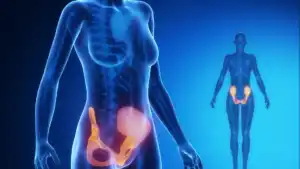

Female body with pelvic pain
Female holding around abdomen in pain

Pelvic pain symptoms

Pelvic pain can present in one specific area or affect a much wider area, such as:

  • Aching or discomfort in your pelvis or lower abdomen.
  • Pain around your vulva, vaginal opening or perineum.
  • Burning, stinging or sensitivity around the vulva.
  • Pain when sitting, particularly for longer periods.
  • Discomfort wearing certain clothing or underwear.
  • Pain with tampons or internal examinations.
  • Pain during or after sexual activity.
  • Tightness, tension or pressure around your pelvic floor.
  • Pain increasing with exercise, walking or certain movements.

The pain might be there most of the time or only appear during certain activities or situations. You may have been experiencing symptoms for months or even years, especially if you’ve struggled to find an explanation or haven’t found anything that has helped yet. That’s where pelvic pain physiotherapy can help.

What causes persistent pelvic pain?

There’s not always one explanation for pelvic pain as it can involve several different structures and systems and contributing factors occurring together.

Pelvic floor muscle overactivity

Muscles need to be strong, to be able to relax and lengthen. They can be overactive without us realising causing pain, discomfort and sensitivity around the pelvis.

Increased sensitivity of the nervous system

When we experience pain for a long time, the nervous system can become more sensitive. This means that activities, movements or sensations that wouldn’t normally be painful may start to feel uncomfortable or painful. This is a recognised part of persistent pain and doesn’t mean the pain is imagined or that there isn’t a physiological cause.

Gynaecological conditions

Such as: endometriosis or adenomyosis (tissue similar to uterus lining grows outside the uterus or into the uteral wall, uterine fibroids (non-cancerous growths in or on the uterus), pelvic inflammatory disease (PID) (an infection of the womb, fallopian tubes, or ovaries), adhesions (bands of scar tissue), vulvodynia and vaginismus (pain around the vulva or vaginal opening, or involuntary pelvic floor muscle tightness) and pelvic organ prolapse (weakening of pelvic support structures). 

Vulval pain and sensitivity

Pain affecting the vulva can have different causes, including skin conditions, irritation, hormonal changes and nerve sensitivity.

Some women experience vulval pain without any obvious visible cause. This can be particularly frustrating when everyday activities such as sitting, wearing clothing or sexual activity become uncomfortable.

Previous experiences and physical changes

Pregnancy, childbirth, pelvic surgery, previous injuries, conditions and other physical experiences can contribute to how the pelvic floor and surrounding tissues function. It’s important not to assume that one particular event is responsible. A pelvic pain physiotherapy assessment can help identify what might be contributing to your symptoms.

If you’re unsure whether women’s pelvic pain physiotherapy can help, call or get in touch through the website by clicking on the button below. Information is treated confidentially and professionally.

How can pelvic pain physiotherapy help?

Exploring symptoms – to understand what’s happening and why.

Physical assessment – looking at how you move, and any weakness or tightness.

Relaxation & breath work – to improve muscle tension and coordination between your breathing, abdominal muscles and pelvic floor.

Movement & exercise – explore what activities affect symptoms and gradually improve them.

Managing sensitivity & persistent pain – looking at strategies to feel more comfortable with movement, touch and daily life.

Practical advice – tailored to you, your daily life and what you need to feel better.

pelvic pain appointment

The aim is to understand what may be contributing to symptoms and find ways to manage and improve them. 

back pain in female

What happens at a pelvic pain physiotherapy appointment?

We’ll talk through your medical history, experiences of pelvic pain and what you’d like help with.

Depending on your symptoms, we may look at your movement, posture, breathing, abdominal muscles and pelvic floor function.

An internal vaginal examination is rarely part of a first appointment. If you and I both think it may be helpful at a later stage, we’ll talk through it first and always with your consent and comfort at every step. You don’t have to have an internal exam, and there are other ways of assessing and managing symptoms.

Together, we’ll agree on a treatment plan that is tailored to your symptoms, preferences and goals. You can find more information about what to expect at your first women’s health physiotherapy appointment.

Book A Women’s Health Physiotherapy Appointment

Initial Women’s Health Appointment

Physiotherapy for hip, knee and ankle pain

70 mins: A detailed assessment and personalised treatment plan

Women’s Health Follow Up Appointment

Physiotherapy for hip, knee and ankle pain

60 mins: Review any changes and adapt and progress treatment

Frequently Asked Questions

I’m here to provide clarity. If you can’t find the answer you’re looking for, don’t hesitate to get in touch.

Yes, pelvic floor muscles that are overactive, sensitive or struggling to relax can contribute to pelvic pain. However, pelvic pain can have many different causes so it’s important to look at the whole picture rather than assuming the pelvic floor is responsible.

Pelvic floor muscles can become overactive or remain tense when they should be relaxing. This can contribute to discomfort, pain with penetration, pain when sitting and other pelvic symptoms. A women’s pelvic health physiotherapy assessment can help determine whether this may be relevant to you.

Physiotherapy may help some people experiencing vulval pain, particularly where pelvic floor muscle overactivity, movement sensitivity or pain related changes are contributing to symptoms. However, vulval pain can also have dermatological, hormonal, neurological and other causes, which may require medical assessment and treatment.

Pelvic health physiotherapy may help manage some of the physical symptoms associated with endometriosis, including pelvic floor muscle tension, movement-related discomfort and persistent pain. It doesn’t treat or remove endometriosis itself, so it’s important to have appropriate medical and gynaecological care alongside physiotherapy.

Not necessarily. If your pelvic floor muscles are overactive or struggling to relax, strengthening exercises may not be the best starting point. Deciding where to begin depends on how your muscles are functioning and what is contributing to your symptoms.

An internal vaginal examination isn’t essential for everyone. Your assessment will be guided by your symptoms and what you feel comfortable with. If an internal examination may be helpful, we can talk about it during the appointment for a future session and will only be undertaken with your consent.

You can get in touch even if you don’t know what’s causing your symptoms. However, new or unexplained pelvic pain should also be discussed with your GP to ensure appropriate medical assessment.

This varies depending on your symptoms, how long you’ve been experiencing them and your goals. We’ll review your progress together and adapt your treatment as needed. There isn’t a set number of appointments and no need to book a block of therapy.

“Thank you for today. I felt safe and comfortable to open up and you were so kind and professional. I felt really listened to!”

C. F, Lincolnshire