

What’s Pelvic Girdle Pain?
Pelvic girdle pain (PGP) refers to pain around the pelvis whether at the front, or in the lower back, hips, groin or inner thighs. PGP can affect anyone, although it’s particularly common during pregnancy. It may also occur following an injury, after childbirth, or alongside conditions such as hypermobility, Ehlers-Danlos syndrome or osteoarthritis.
Symptoms can change depending on your position and activity. Pain can vary from a mild ache to more persistent, sharp or throbbing pain at different times of the day.
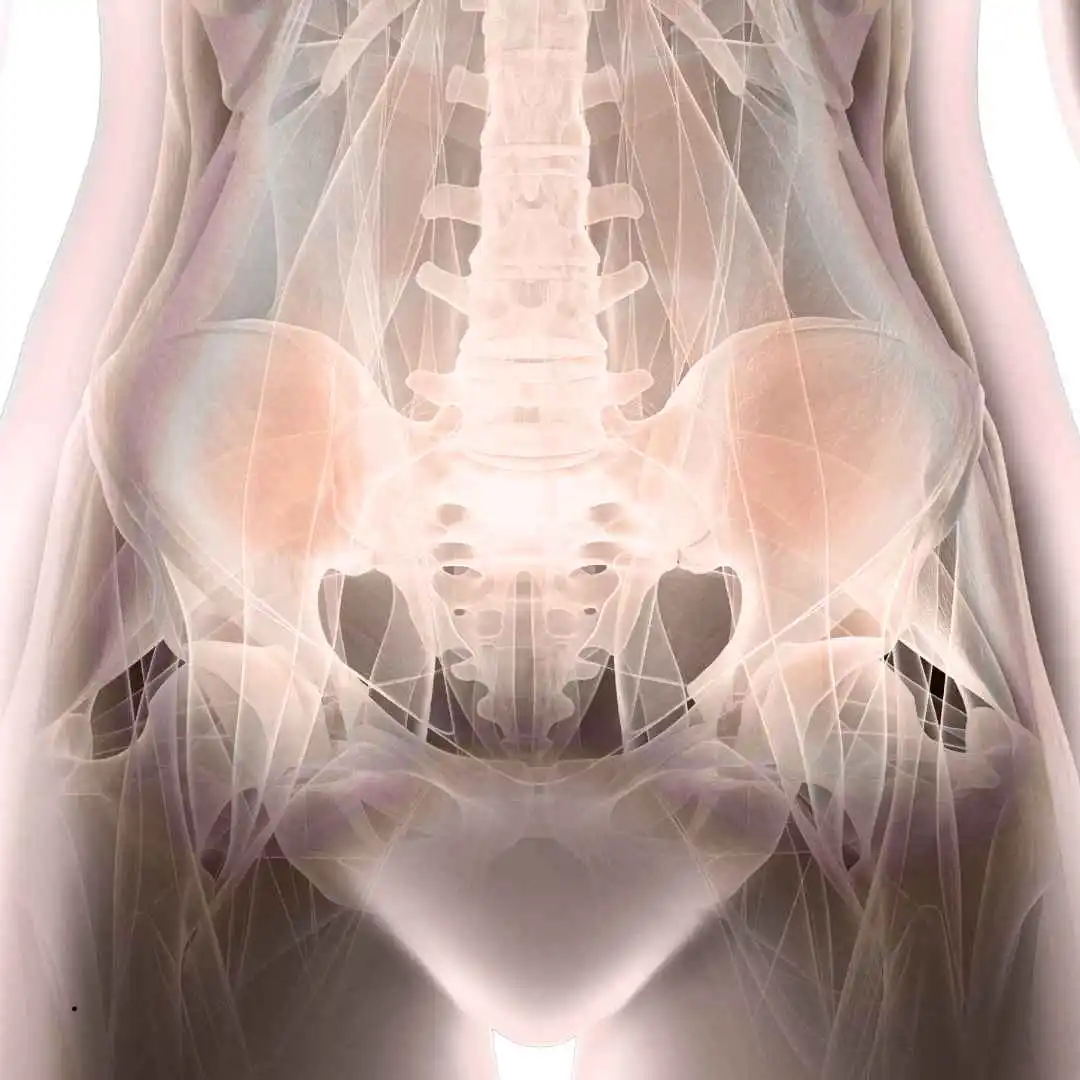
Pain In & Around The Pelvis
While pain during pregnancy is often considered normal, whether you’re pregnant or not – there’s no reason that having pelvic girdle pain should be accepted and left untreated. In fact, ignoring the pain can lead to overloading the joints, making pain and symptoms even worse. It may be a dull ache or sharp pain whether during movements or afterwards. Some may notice it more when standing on one leg, rolling over in bed, climbing the stairs, or getting dressed.
Based near to Lincoln, Women’s Health Physio Can Help
We’ll look at what works specifically for you and your needs. It might include gentle strengthening and stretching, work on improving strength, confidence and comfortable movement, and practical techniques and advice on how to adapt daily activities.
Common Causes of Pelvic Pain
These can include but are not limited to:
- Vehicle accident
- Changes in hormones – such as pregnancy, monthly cycle, peri-menopause or menopause
- Weight/muscle gain
- Changes in how the muscles, joints and ligaments work together
- Falling downstairs
- A fall
- Sports injuries
- Trauma
Activities That Can Make Pelvic Pain Worse
Understanding your triggers can help you to manage symptoms. For instance, symptoms may feel worse when:
- Standing on one leg (i.e. dressing, stairs)
- Rolling in bed
- Walking long distances
- Carrying uneven loads
- Sitting or standing still
- Getting in or out of the car

Accessing Women’s Health Physio Near Lincoln
Inline Therapies provides women’s health physiotherapy near Lincoln for bladder leaks, pelvic pain, pregnancy-related pelvic pain, vulval pain, painful sex and postnatal rehabilitation.
Frequently Asked Questions
If you can’t find the answer you’re looking for, please get in touch.