

Understand & Manage Pelvic Pain
Did you know that you can access pelvic pain physiotherapy in Lincoln? Pelvic pain can affect how you sit, walk, exercise, sleep, work and enjoy everyday life. It can also affect your confidence, relationships and general wellbeing. If you’re experiencing ongoing pelvic pain, discomfort around your vulva or pain that seems difficult to explain, you’re not alone.
I’m Lisa, a physiotherapist at InLine Therapies in Nettleham, near Lincoln. I provide one to one women’s pelvic health physiotherapy, helping women understand their symptoms and explore ways to manage and improve their pelvic pain.
Pelvic pain can have several contributing factors, and everyone’s experience is different. My approach is to take the time to understand what’s happening for you, look at the bigger picture and work together to find an approach that feels right for you.
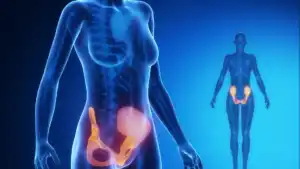

Pelvic pain symptoms
Pelvic pain can present in one specific area or affect a much wider area, such as:
- Aching or discomfort in your pelvis or lower abdomen.
- Pain around your vulva, vaginal opening or perineum.
- Burning, stinging or sensitivity around the vulva.
- Pain when sitting, particularly for longer periods.
- Discomfort wearing certain clothing or underwear.
- Pain with tampons or internal examinations.
- Pain during or after sexual activity.
- Tightness, tension or pressure around your pelvic floor.
- Pain increasing with exercise, walking or certain movements.
The pain might be there most of the time or only appear during certain activities or situations. You may have been experiencing symptoms for months or even years, especially if you’ve struggled to find an explanation or haven’t found anything that has helped yet. That’s where pelvic pain physiotherapy can help.
What causes persistent pelvic pain?
There’s not always one explanation for pelvic pain as it can involve several different structures and systems and contributing factors occurring together.
How can pelvic pain physiotherapy help?
Exploring symptoms – to understand what’s happening and why.
Physical assessment – looking at how you move, and any weakness or tightness.
Relaxation & breath work – to improve muscle tension and coordination between your breathing, abdominal muscles and pelvic floor.
Movement & exercise – explore what activities affect symptoms and gradually improve them.
Managing sensitivity & persistent pain – looking at strategies to feel more comfortable with movement, touch and daily life.
Practical advice – tailored to you, your daily life and what you need to feel better.


What happens at a pelvic pain physiotherapy appointment?
We’ll talk through your medical history, experiences of pelvic pain and what you’d like help with.
Depending on your symptoms, we may look at your movement, posture, breathing, abdominal muscles and pelvic floor function.
An internal vaginal examination is rarely part of a first appointment. If you and I both think it may be helpful at a later stage, we’ll talk through it first and always with your consent and comfort at every step. You don’t have to have an internal exam, and there are other ways of assessing and managing symptoms.
Together, we’ll agree on a treatment plan that is tailored to your symptoms, preferences and goals. You can find more information about what to expect at your first women’s health physiotherapy appointment.
Book A Women’s Health Physiotherapy Appointment


Frequently Asked Questions
I’m here to provide clarity. If you can’t find the answer you’re looking for, don’t hesitate to get in touch.