Women’s Health Physiotherapy In Nettleham, Near Lincoln

Women’s health physiotherapy can help with problems affecting the pelvic floor, bladder, bowel, pelvis and vulva. At InLine Therapies near to Lincoln, I provide private one-to-one physiotherapy for women experiencing bladder leaks, pelvic pain, painful sex, pregnancy and postnatal symptoms and changes leading up to and after the menopause.

These problems are common, and thankfully you don’t have to just accept and try to put up with them. Together we’ll take the time to understand what’s happening, explain your options and create a treatment plan for you, around your symptoms and what you want to get back to doing.

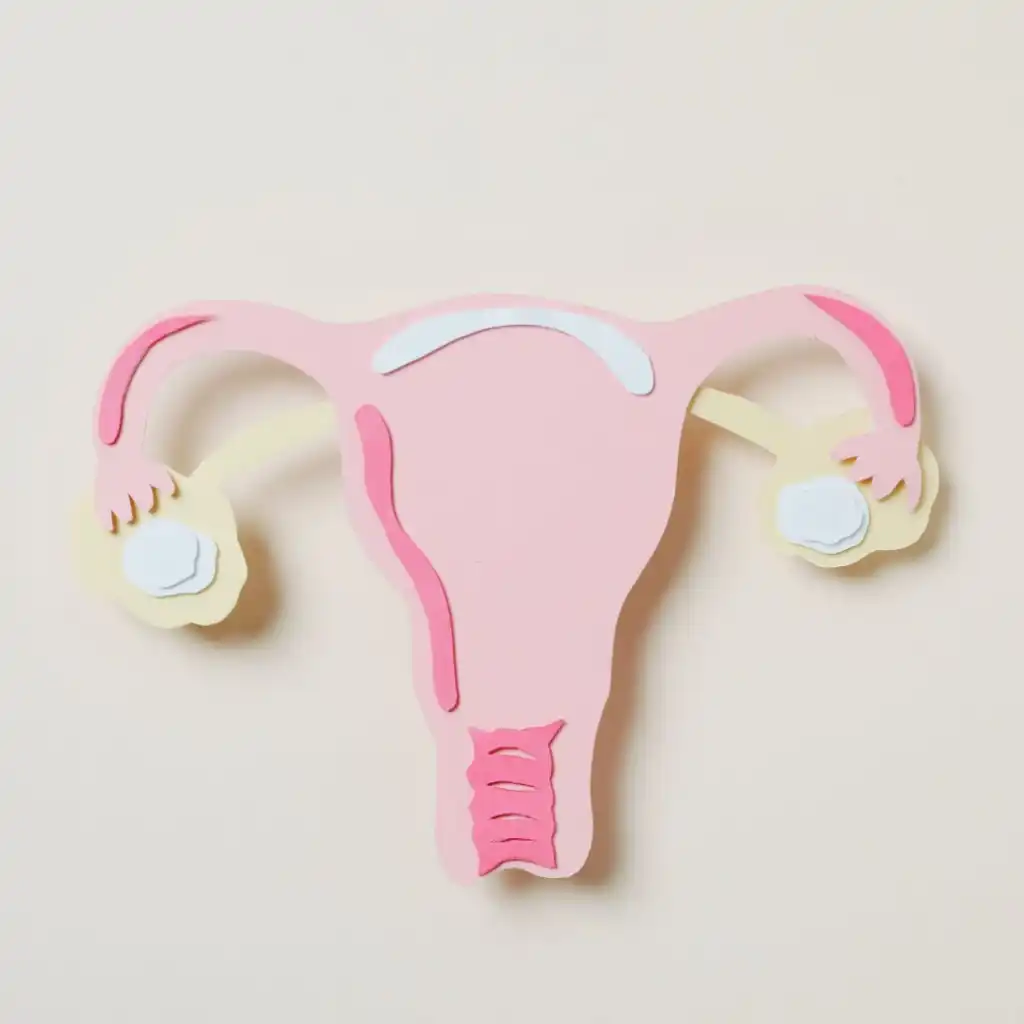
Women's health physiotherapy assessment in Lincoln clinic
Uterus and ovaries, women's health physiotherapy

What Can Women’s Health Physiotherapy Help With?

You’re not the only one experiencing this. Pelvic health problems are common, but many women don’t talk about them or aren’t sure where to get help. You might have been told that bladder leaks, pelvic pain or painful sex are simply part of getting older, having children or going through menopause. If something is affecting your everyday life, exercise, relationships or confidence, it’s worth getting it assessed. Women’s pelvic health physiotherapy offers an assessment and treatment for:

  • Bladder leaks and urinary incontinence
  • Pelvic pain and discomfort
  • Painful sex and vaginismus
  • Pelvic floor muscle problems
  • Pelvic organ prolapse symptoms, such as heaviness, dragging or pressure
  • Pregnancy-related pelvic girdle pain
  • Postnatal recovery and returning to exercise
  • Core and pelvic floor weakness after childbirth or surgery
  • Peri-menopause and menopause-related pelvic health symptoms

Women’s Health Physiotherapy for Bladder, Pelvis & Pelvic Floor Symptoms

Treatment is tailored to your symptoms and goals. Depending on what you need, this may include pelvic floor muscle rehabilitation, breathing and pressure management strategies, graded exercise, bladder and bowel advice, and strategies to reduce pain and improve confidence with movement and everyday activities.

Bladder Leaks & Urinary Incontinence

Bladder leaks are common and can happen during everyday activities, exercise or changes in bladder urgency.

You may experience:

  • Leaking when coughing, sneezing or laughing
  • Bladder leakage when running, jumping or exercising
  • A sudden or difficult to control urge to urinate
  • Needing to rush to the toilet
  • Bladder leakage following pregnancy or childbirth
  • Changes in bladder control during peri-menopause or menopause

Pelvic health physiotherapy can help to identify what may be contributing to symptoms and develop a treatment plan specific to your needs and goals.

Pain During Sex & Pelvic Pain

Pain in or around the pelvis can have a number of different contributing factors. You may experience:

  • Pain during or after sex, with or without penetration
  • Pain with tampon insertion or smear tests
  • Pelvic floor muscle tightness or overactivity
  • Vulval pain, burning or sensitivity
  • Pain following childbirth or pelvic surgery
  • Pelvic pain with endometriosis or adenomyosis
  • Persistent pelvic pain affecting everyday activities

You don’t need to have a diagnosis before seeking women’s pelvic health physiotherapy. Assessment can help us understand your symptoms and how physiotherapy can help to manage and improve them.

Pregnancy & Postnatal Physiotherapy

Pregnancy and childbirth place significant physical demands on the pelvis, back, core and pelvic floor. Women’s health physiotherapy can help with:

  • Pelvic girdle pain during pregnancy
  • Lower back and pelvic pain
  • Bladder leaks during or after pregnancy
  • Pelvic floor problems following childbirth
  • Abdominal separation (diastasis recti)
  • Recovery following vaginal birth or caesarean section
  • Returning to exercise after having a baby
  • Pain with sex following childbirth

Treatment is adapted to where you are in pregnancy or postnatal recovery, your symptoms and what you want to get back to doing.

Menopause & Pelvic Health

Hormonal changes can affect the bladder, pelvic floor, vulval tissues and sexual comfort. Women’s health physiotherapy can help you work on strategies to improve these changes. You may experience:

  • Bladder urgency or frequency
  • Bladder leaks
  • Pelvic organ prolapse symptoms such as heaviness or dragging
  • Vaginal or vulval discomfort
  • Changes in sexual comfort
  • Changes in pelvic floor strength or function

If you’re unsure whether women’s health physiotherapy could help with your symptoms, get in touch and we can talk through what’s happening.

bladder pelvic pain leaking assessment with women's health physiotherapy

Not Sure What’s Causing Your Symptoms?

You don’t need to know exactly what’s wrong before making an appointment. You might notice:

  • Pain during or after sex
  • Pain with tampons or smear tests
  • A feeling that penetration isn’t possible
  • Burning, soreness or sensitivity around the vulva
  • Pelvic pain during pregnancy or after giving birth
  • Bladder leaks when coughing, sneezing or exercising
  • A sudden or difficult-to-control urge to urinate
  • A feeling of heaviness, dragging or pressure in the vagina
  • Difficulty returning to exercise after having a baby

The symptoms can have different causes. They may involve the pelvic floor muscles, hormonal changes, pregnancy, childbirth, the vulval tissues or other pelvic health conditions.

Thankfully you don’t need to work it out for yourself. A physiotherapy assessment can help us understand what may be contributing to your symptoms and how we can manage and improve them.

You don’t have to put up with pelvic health problems

If you’ve been avoiding exercise because you leak, sex because it’s painful, tampons because they hurt, or certain activities because your pelvis doesn’t feel right, don’t give up on finding the answers of how to manage and improve them.

You don’t need to arrive with a diagnosis either!

At your first appointment, we’ll talk through your symptoms, what you’d like help with and how they’re affecting your everyday life. We’ll then decide together what assessment and treatment would be appropriate.

Women’s pelvic health physiotherapy is about helping you understand what’s happening and giving you practical strategies to feel more comfortable, confident and in control of your body.

Women of all ages and stages of life for women's health physio

How much will it cost?

First Women’s Health Appointment

Pelvic floor physiotherapy

70 minutes: We’ll discuss your symptoms, medical history and goals, carry out any appropriate assessment and create a personalised treatment plan.

Women’s Health Follow-Up Appointment

Bladder leaks, pregnancy and postnatal conditions, and pelvic pain treatment in Lincoln

60 minutes: A follow-up appointment to review your progress, adjust your treatment and work on the next steps towards your goals.

Women’s Health Check-In Appointment

Bladder leaks, pregnancy and postnatal conditions, and pelvic pain treatment in Lincoln

45 minutes: A shorter appointment to review a specific technique, exercise or aspect of your treatment plan, as agreed with your physiotherapist.

Women’s Pelvic Health Physiotherapy: Frequently Asked Question’s

If you have questions, we have the answers!

If you can’t find the answer you’re looking for, don’t hesitate to get in touch on the phone or through our contact page.

Your first women’s health physio appointment lasts 70 minutes. We’ll start by talking through your symptoms, how they affect your everyday life and what you’d like help with.

Depending on your symptoms and what you are comfortable with, we may assess your movement, breathing, strength or pelvic floor function. An internal vaginal examination is usually not a part of the first appointment. I’ll explain everything before doing any assessment or treatment, and you remain in control throughout the appointment.

Together, we’ll agree on a treatment plan, including anything you can start doing at home.

Any treatment or assessment will be explained to you beforehand and only carried out with your consent. You are always in control of what you are comfortable with, and you can ask to stop or change anything at any point. Your appointment is guided by your symptoms, goals and what feels appropriate for you.

You are welcome to bring an informal chaperone, such as an adult family member or friend. Please let the clinic know when you are booking if you would like someone to accompany you, so that this can be arranged appropriately.

Your first appointment generally does not include an internal vaginal examination. If an internal examination may be helpful later in your treatment, this will always be discussed with you beforehand and only carried out with your consent. You can choose to not have an internal examination. There are other ways we can assess and treat many pelvic health problems.

The number of appointments varies from person to person and depends on your symptoms, goals and how you respond to treatment. Some people need only a small number of appointments and others benefit from longer term support.

We’ll review your progress as we go and adjust your treatment plan accordingly. The aim is to give you the knowledge, exercises and strategies you need to manage your symptoms confidently, rather than keep you coming back unnecessarily.

In most cases, you do not need a GP referral to book a private physiotherapy appointment. If you have private health insurance, your insurer may have specific requirements before treatment. InLine Therapies is registered with WPA, Bupa, Vita Health Group (VHG) and AXA Health. Please check with your insurer before booking to confirm whether you need a pre-authorisation code or referral.

If you have a medical condition that may affect whether physiotherapy is appropriate, you may need to speak with your GP or another healthcare professional first.

If you’re unsure whether you physiotherapy is suitable for you, please get in touch before booking.

It’s best to wear comfortable, loose-fitting and/or flexible clothing that allows for easy movement. If you have pelvic pain, low back pain and/or abdominal pain there is often an element of undressing required. This is also the case for any physiotherapy appointment.

It is usually best to bring, or wear trousers or a skirt that you are easy to take off and put back on, and a vest top, or sports bra. Alternatively, wear suitable underwear. Clothing needs to be comfortable and easy to move around in.

Your comfort is paramount during your appointments and we want to ensure your clothing helps rather than hinders your progress.

When an appointment is booked, the time is not available to anyone else. I know that sometimes things come up and plans need to be changed, so I ask that any appointment that needs to be cancelled or rescheduled, is changed with at least 24 hours in advance of the scheduled appointment time. You can cancel the appointment via your client portal up to 24 hours prior or get in touch. 

As I work on a 1:1 basis, where an appointment is not cancelled with at least 24 hours notice, payment for the appointment will be required. Please do get in touch if you have any concerns or questions regarding this as I would like you to feel 100% comfortable about any booking you make.

“Lisa is very professional, has a real interest and care for the patient.
I greatly appreciate her active listening, the quality and care of her work, and her extensive knowledge.“

B. N, Lincoln