Pelvic Girdle Pain2026-06-03T13:46:25+00:00

What’s Pelvic Girdle Pain?

Pelvic girdle pain (PGP) refers to pain around the pelvis whether at the front, or in the lower back, hips, groin or inner thighs. Experiencing pelvic pain can be more likely if someone is pregnant or may have a history of orthopaedic issues, hypermobility, Ehlers Danlos Syndrome (EDS), a high BMI, arthritis or been pregnant in the past. 

Symptoms can change depending on your position and activity. Pain can vary from a mild ache to more persistent, sharp or throbbing pain at different times of the day.
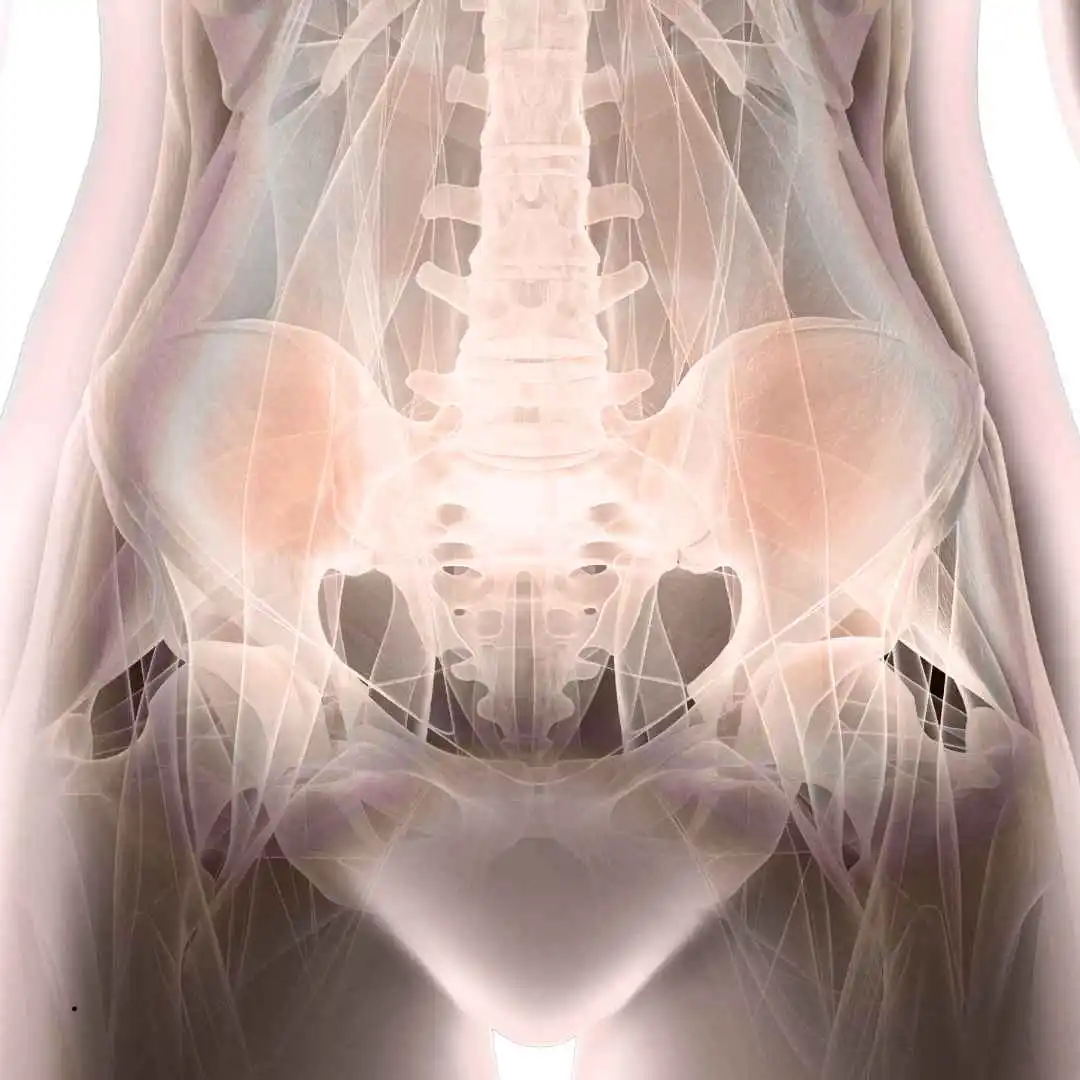
Woman's pelvis and hips with pelvic pain

Pain In & Around The Pelvis

While pain during pregnancy is often considered normal, whether you’re pregnant or not – there’s no reason that having pelvic girdle pain should be accepted and left untreated. In fact, ignoring the pain can lead to overloading the joints, making pain and symptoms even worse. It may be a dull ache or sharp pain whether during movements or afterwards. Some may notice it more when standing on one leg, rolling over in bed, climbing the stairs, or getting dressed.

Based near to Lincoln, Women’s Health Physio Can Help

We’ll look at what works specifically for you and your needs. It might include gentle strengthening and stretching, work on pelvic stability, and practical techniques and advice on how to adapt daily activities.

Exercise & Movement

Movement needs to be appropriate for you and your symptoms. It often includes gentle strengthening, controlled mobility work, and strategies to reduce strain on the pelvis during everyday life.

Sleeping, Walking & Daily Task Tips

Small changes in how you move, stand or lay can make a significant difference to pelvic girdle pain. For instance: how you get in and out of bed, how you walk, manage the stairs, how you lift and pace activities can all help.

Do Pelvic Support Belts Help?

Some people find pelvic support belts or clothing helpful for short-term symptom relief, particularly during walking or standing. They’re not essential for everyone and are usually used as a part of a wider treatment plan.

When To Seek Help?

If pelvic girdle pain is affecting how you move, sleep, or enjoy life, it’s worth getting it assessed. Symptoms often improve well when you feel in control. Ideally you want to understand what’s happening and how to treat it.

Common Causes of Pelvic Pain

These can include but are not limited to:

  • Vehicle accident
  • Changes in hormones – such as pregnancy, monthly cycle, peri-menopause or menopause
  • Weight/muscle gain
  • Tissue laxity
  • Falling downstairs
  • A fall
  • Sports injuries
  • Trauma

Activities That Can Make Pelvic Pain Worse

Understanding your triggers can help you to manage symptoms. For instance, symptoms may feel worse when:

  • Standing on one leg (i.e. dressing, stairs)
  • Rolling in bed
  • Walking long distances
  • Carrying uneven loads
  • Sitting or standing still
  • Getting in or out of the car

Frequently Asked Questions

If you can’t find the answer you’re looking for, please get in touch.

Your first women’s health physio appointment will be around 70 minutes. This gives us the time to really understand your concerns and create a plan that works for you. During the first session we will talk through your symptoms, how they affect your daily life, and any relevant past injuries or experiences.

We may assess how your body moves and we’ll discuss findings so you know what may be happening and why. Together we’ll decide what you can get going with straight away. We’ll keep it simple and as easy to fit into your lifestyle as possible.

Follow-up appointments are a chance to check in with how things feel, any progress and to move things on. As your body adapts, your exercises and advice will evolve too. The goal is steady progress without feeling overwhelmed.

You’ll always leave with a clear plan and an understanding of the next steps. There’s no pressure to be perfect – progress over time is what matters.

If you have any questions between sessions or want to talk through anything before your next appointment, you can email support@inlinetherapies.co.uk

Any treatment or assessment is always explained beforehand and only carried out with your consent. You are always in control of what you are comfortable with. The appointments are completely led by what you want to focus on.

Due to the nature of the clinic, we do not have the facility to offer a chaperone for your appointment. Your first appointment generally does not include a vaginal examination. Instead, we focus on finding out about your symptoms and what your goals are, then putting a plan in place for you to start from that day.

In some cases, later in your treatment, a vaginal examination might provide extra insight and we would talk through it first. I will answer any questions you might have and the decision is always yours. Your comfort and preferences will be respected at every step.

You are welcome to bring an informal chaperone, such as an adult family member or friend. Please note that the clinic will need to be made aware that a chaperone will be present at the appointment, at the time the booking is made.

If a chaperone is brought to an appointment without prior arrangement, the appointment will not proceed. However, it will still be charged as it would not be possible for the appointment to be filled at short notice by another person in need.

Every person is different, so there’s no set number or time. It will depend on your symptoms, consistency with advice and techniques, and what your goals are. Many people might start to see improvements within a couple of sessions!

It’s so important to remain consistent with your treatment plan at home, even if it feels challenging at times. Without consistency, changes may take much longer or not happen at all.

Everything that we work through, will provide you with the tools you need to manage these changes and maintain good pelvic health for life.

In most cases a GP referral is not required so can make an appointment with us directly. I am registered with WPA, Bupa and AXA Health Insurance. If you are a member of them, you may be able to claim your treatment through your policy. Contact your insurance provider and they will give you a ‘pre-authorisation code’ to provide at the time of booking.

However, there are a few exceptions where a doctor’s referral might be necessary. This includes if you have a specific medical condition that needs a doctor’s clearance before undergoing treatment. If you’re unsure whether you need a referral, feel free to get in touch for further advice.

It’s best to wear comfortable, loose-fitting or flexible clothing that allows for easy movement. If you have pelvic pain, low back pain and/or abdominal pain there is often an element of undressing required. This is also the case for any physiotherapy appointment.

Alternatively, wear suitable underwear. Clothing needs to be comfortable and easy to move around in.

Your comfort is paramount during your appointments. We want to ensure your clothing helps rather than hinders your progress.

When an appointment is booked, the time is not available to anyone else. I know that sometimes things come up and plans need to be changed. Therefore, I ask that any changes or cancellations are made with at least 24 hours notice. You can do this via your client portal up to 24 hours prior or get in touch.

As I work on a 1:1 basis, if there is less than 24 hours notice, the appointment will need to be paid for as I would not be able to fill it with someone else. Please do get in touch if you have any concerns or questions regarding this. I would like you to feel 100% comfortable about any booking you make.

“Lisa a skillful physiotherapist who has helped me and my family with a number of conditions. Every time I have seen Lisa she has been kind, warm, welcoming, generous with her knowledge and keen to use her skills to help. I would definitely recommend her.

C. O, Lincoln

Go to Top